

The Short Version
Expect to spend $20-$40 at the budget end and $100+ at the top. The specification that matters most is Variable Temperature Control. Our pick across the range is the Zeppoli Electric Kettle - Stainless Steel at $28.99.
What It Costs
-
Budget $20-$40
Basic on-off functionality with automatic shutoff and boil-dry protection. Expect 1.7-liter capacity, 1000-1500 watt heating, and simple stainless steel or BPA-free plastic construction. These models boil water reliably but lack temperature control, keep-warm functions, or premium materials. Heating speed varies from 3.5 to 6 minutes for a full kettle. Build quality supports 2-3 years of regular use. Adequate for households that primarily need boiling water for black tea, instant coffee, or cooking. Some models at the upper end of this range offer basic 4-5 preset temperatures with plus or minus 5-degree accuracy.
 We'd buy
BELANKO Tea Kettle
4.2 $25.95
We'd buy
BELANKO Tea Kettle
4.2 $25.95
-
Mid-range $45-$100
Variable temperature control with 5-6 presets, keep-warm functions for 20-30 minutes, and improved construction quality. Expect stainless steel interiors, 1500-watt rapid heating, and temperature accuracy within plus or minus 3 degrees. Many models include gooseneck spouts for pour-over coffee, digital displays showing current temperature, and double-wall insulation for cooler exteriors. Build quality supports 4-5 years of daily use. This range offers the best value for serious tea drinkers and coffee enthusiasts who need temperature precision without paying for luxury brand premiums or excessive capacity.
 We'd buy
airyoyo Electric Kettle
4.4 $49.99
We'd buy
airyoyo Electric Kettle
4.4 $49.99
-
Premium $100+
Degree-by-degree temperature adjustment, plus or minus 2-degree accuracy, extended 60-minute keep-warm functions, and premium materials like copper-accented stainless steel or commercial-grade glass. Designer models from kitchen appliance brands offer color-matched aesthetics for coordinated kitchens. Expect refined industrial design, quieter operation, faster heating despite larger capacity, and construction quality supporting 7-10 years of use. Some models include built-in brew timers, altitude compensation for accurate boiling points, and smartphone connectivity. The premium primarily buys brand prestige, aesthetic design, and marginal performance improvements rather than fundamentally different functionality from mid-range options.
 We'd buy
KitchenAid 1.25L Electric Kettle KEK1222
4.5 $109.99
We'd buy
KitchenAid 1.25L Electric Kettle KEK1222
4.5 $109.99
What to Look For
Capacity and heating power form the foundation of kettle performance. Standard kettles hold 1.5 to 1.8 liters, enough for six to eight cups, while compact models around 1 liter suit single users or small kitchens. Heating elements rated at 1500 watts bring a full kettle to boil in three to four minutes, compared to five to seven minutes for 1000-watt models. If you regularly brew multiple cups or entertain guests, prioritize larger capacity. For solo use or limited counter space, a 1-liter model reduces energy consumption and heats faster when partially filled.
Temperature control separates basic kettles from precision brewing tools. Standard on-off kettles simply boil water to 212°F, adequate for black tea, instant coffee, and cooking needs. Variable temperature kettles offer preset options typically ranging from 160°F for delicate white teas to 200°F for French press coffee, with accuracy varying from plus or minus 5 degrees in budget models to plus or minus 2 degrees in premium units. If you drink green or white teas, which turn bitter when steeped in boiling water, or practice pour-over coffee techniques requiring specific temperatures, this feature becomes essential rather than optional. Look for models with hold-warm functions that maintain temperature for 20 to 30 minutes if you don't brew immediately.
Material construction affects both safety and longevity. Stainless steel interiors resist corrosion and don't impart flavors, though they hide mineral deposits. Glass kettles let you monitor water clarity and cleaning needs but add weight and fragility. Plastic components should be BPA-free and limited to exterior handles and bases rather than contacting hot water. Examine the heating element design: concealed disk elements underneath the kettle floor clean more easily than exposed coil elements and reduce mineral buildup. The base should feel substantial with rubber feet that prevent sliding, and cordless designs with 360-degree swivel bases offer the most convenient pouring from any angle.
Safety mechanisms prevent common accidents and extend appliance life. Automatic shutoff when water reaches boiling point conserves energy and prevents over-boiling. Boil-dry protection cuts power if the kettle operates empty, protecting the heating element from burnout. Cool-touch handles remain safe to grip even when water boils, while stay-cool exteriors matter most in households with children. Check that the lid locks securely and opens with one hand for refilling. A wide opening of at least 3 inches allows thorough cleaning and ice cube additions for faster cooling when you need warm rather than boiling water.
Spout design influences pouring control and drip prevention. Standard spouts work fine for general use but may drip after pouring. Gooseneck spouts provide the slow, controlled pour essential for pour-over coffee, letting you direct water flow precisely over coffee grounds. However, gooseneck designs typically reduce capacity to 1 liter or less and cost $20 to $40 more than standard spouts. Consider whether you'll actually use this specialty feature or whether a standard spout meets your needs. Removable filters at the spout opening catch mineral deposits and should be dishwasher-safe for easy maintenance.
The Features That Matter
-
01
Variable Temperature Control
Preset temperature options between 160°F and 212°F allow proper brewing for different tea types and coffee methods. Green and white teas require 160-180°F to prevent bitterness, oolong performs best at 190°F, and black tea and French press coffee need 200-205°F. Budget models offer 4-6 presets with accuracy of plus or minus 5 degrees, while premium kettles provide degree-by-degree adjustment with plus or minus 2-degree accuracy. This feature adds $25-40 to the base price but proves essential if you regularly brew temperature-sensitive beverages. Models with digital displays show current water temperature in real-time, helping you learn optimal brewing temperatures through experimentation.
-
02
Heating Speed and Power
Wattage directly determines how quickly water reaches boiling point. A 1500-watt element boils 1.7 liters in approximately 3.5 minutes, while 1000-watt models require 6-7 minutes for the same volume. This difference matters most if you brew multiple times daily or need hot water quickly in morning routines. Higher wattage also recovers temperature faster when you add cold water for a second brew. However, 1500-watt kettles may trip breakers if used simultaneously with other high-draw appliances on the same circuit. Check your kitchen electrical capacity before choosing maximum power, especially in older homes or apartments.
-
03
Capacity and Footprint
Standard 1.7-1.8 liter kettles serve 6-8 cups and suit households of two or more people or anyone who entertains regularly. Compact 1-1.25 liter models heat faster, consume less energy, and occupy less counter space but require refilling for larger gatherings. Consider your typical usage: if you brew one or two cups at a time, smaller capacity reduces the energy waste of heating excess water. Gooseneck kettles typically max out at 1 liter due to their specialized design. Measure your storage area if counter space is limited, as kettles range from 7 to 10 inches in base diameter and 9 to 12 inches in height.
-
04
Keep-Warm Function
This feature maintains selected temperature for 20-60 minutes after initial heating, useful if you don't brew immediately or want multiple cups over time without reheating. Premium models hold temperature for up to 60 minutes, while budget options offer 20-30 minutes. The function typically adds $15-25 to the price and increases energy consumption by approximately 50 watts during the hold period. Most valuable for office environments where interruptions delay brewing or for multiple tea drinkers who prefer different varieties at the same temperature throughout morning routines.
-
05
Construction Materials
Stainless steel interiors provide durability, neutral taste, and resistance to mineral staining, though they don't show water level as clearly. Double-wall stainless steel adds insulation that keeps exteriors cooler and retains heat longer but increases weight and price by $20-30. Glass kettles display water clarity and boiling action while revealing mineral buildup that signals cleaning time, but they add 0.5-1 pound of weight and risk cracking if dropped. Avoid kettles with plastic interiors or plastic components that contact hot water, as these can leach chemicals and degrade over time. BPA-free plastic is acceptable for exterior housings, handles, and bases where it doesn't touch heated water.
-
06
Gooseneck Spout Design
The narrow, curved gooseneck spout provides precise pour control essential for pour-over coffee brewing, allowing you to direct water flow in controlled circles over coffee grounds. This design typically reduces capacity to 0.8-1 liter and adds $20-40 to comparable standard-spout models. The slow, steady pour rate takes 3-4 minutes to empty a full kettle compared to 30-45 seconds for standard spouts. Only worthwhile if you regularly practice pour-over coffee techniques or need precise water placement for tea ceremonies. For general tea brewing and cooking use, standard spouts perform adequately at lower cost.
-
07
Cordless Design with Swivel Base
Cordless kettles lift free from powered bases for easy pouring without cord management. The 360-degree swivel base allows placement from any angle, convenient for both right and left-handed users and eliminating the need to align the kettle precisely when returning it to the base. This has become standard on electric kettles above $30, but budget models under $25 sometimes use corded designs that restrict movement. The base should include cord storage underneath to manage excess length and rubber feet to prevent sliding during placement and removal.
Mistakes to Avoid
-
Choosing a kettle based primarily on exterior design without considering interior material quality
Attractive exteriors often hide plastic interiors that can leach chemicals, impart flavors to water, and degrade within 1-2 years. Designer kettles from fashion brands sometimes prioritize appearance over functional engineering, resulting in poor temperature accuracy, slow heating, or premature failure. A $50 kettle with a plastic interior provides worse value than a $30 stainless steel model with basic styling.
Verify interior construction material before purchase. Stainless steel or borosilicate glass interiors justify higher prices through durability and safety. Read specifications carefully, as product photos often show only exteriors. If specifications don't explicitly state stainless steel or glass interior, assume plastic construction and choose a different model.
-
Paying premium prices for variable temperature control without considering actual brewing needs
Temperature control adds $30-60 to kettle cost but provides no benefit if you primarily drink black tea, instant coffee, or use boiling water for cooking. Many buyers purchase this feature because it seems advanced but never adjust settings from the default boil function. The added complexity introduces more components that can fail, and digital displays consume standby power even when not actively heating.
Honestly assess your beverage habits. If you drink primarily black tea, regular coffee, or instant beverages, a simple on-off kettle at half the price performs identically. Reserve variable temperature models for situations where you regularly brew green or white teas, practice pour-over coffee techniques, or prepare infant formula requiring specific temperatures. The feature should match documented need, not aspirational use.
-
Selecting the largest available capacity without considering energy efficiency and daily usage patterns
Heating 1.8 liters when you need one cup wastes energy and takes twice as long as heating the actual amount required. Larger kettles occupy more counter space, weigh more when full, and cost $10-20 more than compact alternatives. The energy waste accumulates over years: heating an extra liter of unused water twice daily wastes approximately 180 kWh annually, adding $20-25 to electricity costs in most markets.
Match capacity to typical use. Solo users or couples who brew 1-2 cups at a time should choose 1-1.25 liter models that heat faster and consume less energy. Families or frequent entertainers benefit from 1.7-1.8 liter capacity. If usage varies significantly, select mid-size 1.5 liter capacity and fill only to needed levels using the water level indicator window. This provides flexibility without the inefficiency of consistently over-filling large kettles.
-
Overlooking cleaning accessibility when choosing glass kettles or models with narrow openings
Mineral deposits accumulate on heating elements and interior walls, requiring monthly descaling for water quality and heating efficiency. Kettles with openings smaller than 3 inches or complex interior geometries prevent hand access for scrubbing, forcing reliance on chemical descaling solutions that may leave residues. Glass kettles show every mineral spot, requiring more frequent cleaning to maintain appearance, but some models have narrow necks that make thorough cleaning difficult.
Examine the lid opening and interior accessibility before purchase. A 3-4 inch opening allows hand entry with a sponge for mechanical cleaning. Concealed disk heating elements clean more easily than exposed coils. If choosing a glass kettle for aesthetic reasons, ensure the opening provides adequate access for the increased cleaning frequency that visible mineral buildup demands. Consider whether you'll actually maintain the appliance properly or whether a stainless steel interior that hides deposits suits your maintenance habits better.
Our Picks
-
Runner-up
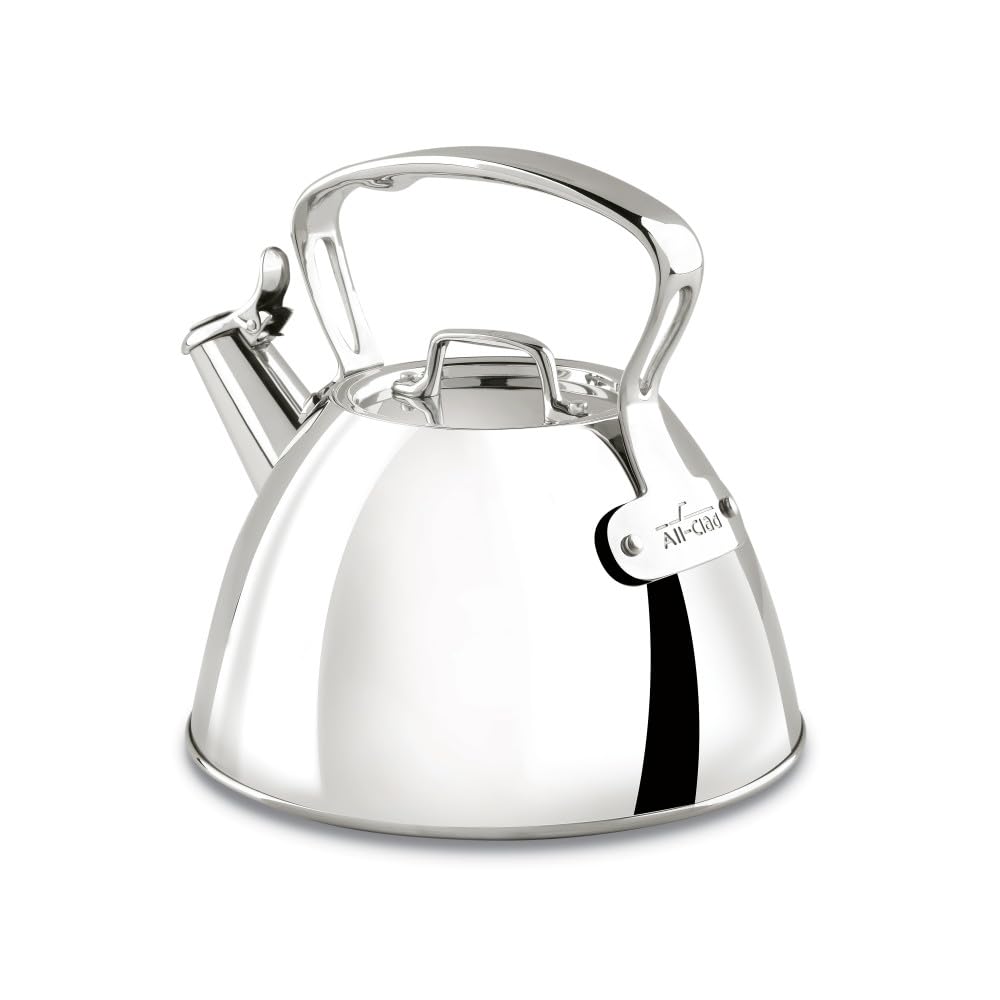
All-Clad Specialty Stainless Steel Tea Kettle
Heavy-gauge single-ply 18/10 stainless steel with a high-polished finish
$119.95 4.3
Check price on Amazon -
Best overall
Zeppoli Electric Kettle - Stainless Steel
1500 watts with a 1.7L capacity; the brand quotes 5 to 6 minutes for a full kettle
$28.99 4.7
Check price on Amazon
Looking After It
Descale your electric kettle monthly if you have hard water, every 2-3 months with soft water. Mineral deposits reduce heating efficiency and can cause premature element failure. Fill the kettle halfway with equal parts white vinegar and water, bring to a boil, then let sit for 15-20 minutes before discarding and rinsing thoroughly. For stubborn deposits, use citric acid solution (2 tablespoons per liter of water) following the same process. Always rinse multiple times after descaling to remove any residual taste. Some manufacturers recommend specific descaling products, but white vinegar works effectively at lower cost and avoids harsh chemicals.
Clean the exterior weekly with a damp cloth and mild dish soap, avoiding abrasive cleaners that scratch stainless steel or damage decorative finishes. For glass kettles, use glass cleaner on the exterior only, never allowing it to contact the interior where residue might affect water taste. The removable filter screen at the spout should be rinsed under running water weekly and scrubbed monthly with a soft brush to prevent mineral accumulation that restricts water flow. Check the base contacts periodically for mineral residue or corrosion, wiping them with a dry cloth to maintain proper electrical connection.
Never immerse the kettle base or electrical components in water. Empty the kettle after each use rather than leaving water standing, which accelerates mineral buildup and can promote bacterial growth in warm environments. Store the kettle with the lid open to allow interior drying and prevent musty odors. If you notice slower heating times, excessive noise during boiling, or visible scale accumulation, descale immediately rather than waiting for your regular schedule. Replace kettles that develop leaks, damaged cords, or heating elements that no longer reach full boil, as these indicate safety risks that cleaning cannot address.
Common Questions
Do I really need variable temperature control, or is it just a marketing feature?
Variable temperature control provides genuine value only if you regularly brew beverages requiring specific temperatures. Green tea becomes bitter above 180°F, white tea tastes best at 160-175°F, and oolong requires 190°F for proper flavor extraction. Pour-over coffee techniques specify 195-205°F for optimal extraction. If you drink primarily black tea, regular drip coffee, or instant beverages, you only need boiling water and a basic on-off kettle performs identically at half the cost. The feature matches specific brewing practices rather than general tea drinking. Consider your actual daily routine: if you can name the optimal temperature for your regular beverages, the feature justifies its cost. If you simply want hot water, it doesn't.
Are glass kettles worth the extra weight and fragility compared to stainless steel?
Glass kettles offer aesthetic appeal and visible water clarity but require acceptance of practical tradeoffs. They typically weigh 0.5-1 pound more than equivalent stainless steel models, making them more tiring to pour when full and easier to drop. The glass can crack if knocked against hard surfaces or subjected to thermal shock from cold water on a hot element. However, glass allows you to see mineral buildup, making cleaning needs obvious, and some users prefer watching the boiling process. The material itself doesn't affect water taste or heating performance. Choose glass if you value appearance and don't mind careful handling and frequent cleaning to maintain clarity. Select stainless steel for durability, lighter weight, and lower maintenance in busy households or offices where appliances receive rough treatment.
How much does it cost to run an electric kettle compared to heating water on the stove?
Electric kettles prove more energy-efficient than stovetop heating for small water volumes. A 1500-watt electric kettle uses approximately 0.1 kWh to boil 1 liter, costing 1-2 cents at average electricity rates. A gas stovetop uses roughly 0.2 kWh equivalent to heat the same volume, costing 2-3 cents, while electric stovetops use 0.15-0.2 kWh due to heat loss to the surrounding air. The efficiency advantage comes from direct element contact with water and automatic shutoff at boiling point, while stovetops continue heating the pot and air around it. For two cups of tea daily, an electric kettle costs approximately $7-10 annually in electricity, compared to $12-18 for stovetop heating. The savings increase with frequent use but remain modest in absolute terms. Energy efficiency favors electric kettles, but the cost difference won't significantly impact household budgets either way.
What capacity kettle should I buy for a household of two people?
A 1.5-1.7 liter kettle suits most two-person households, providing 6-7 cups of capacity for morning beverages, afternoon tea, and occasional guests without excessive over-filling. If you typically brew only one or two cups at a time and rarely entertain, a 1-1.25 liter model heats faster and wastes less energy. Larger 1.8-2 liter kettles make sense only if you regularly host gatherings or prepare large volumes for cooking purposes like pasta water or soup stock. Consider your actual usage pattern: track how many cups you brew in typical sessions over a week. Most couples find 1.5 liters provides adequate capacity with minimal waste. The water level indicator lets you heat only needed amounts, so slightly larger capacity provides flexibility without forcing you to heat excess water.
Should I choose a gooseneck kettle even if I don't currently make pour-over coffee?
Purchase a gooseneck kettle only if you actively practice or plan to learn pour-over coffee techniques within the next month. The specialized spout provides no advantage for regular tea brewing, instant coffee, or cooking uses, while the slow pour rate becomes frustrating for general purposes. Gooseneck models typically cost $20-40 more than standard spouts and reduce capacity to 1 liter or less. The controlled pour essential for proper coffee extraction becomes a liability when you simply want to fill a teapot quickly. Aspirational purchases based on potential future use rarely justify themselves. If you currently use pour-over methods or have purchased pour-over equipment, the gooseneck design proves essential for technique. Otherwise, choose a standard spout and invest the savings in higher-quality temperature control or construction materials that benefit all uses.
In Short
The right electric kettle balances capacity, temperature control, and build quality against your actual daily usage and budget constraints. A household that drinks primarily black tea or instant coffee gains nothing from variable temperature control and should invest instead in rapid heating and durable construction. Serious tea enthusiasts and pour-over coffee practitioners should prioritize temperature accuracy and appropriate spout design even if that means accepting smaller capacity or higher cost. The sweet spot for most buyers falls in the $45-85 range, where you'll find reliable temperature control, adequate safety features, and construction quality that lasts 4-5 years of daily use.
Avoid the temptation to buy based on appearance alone or to purchase features you won't actually use. A basic $30 kettle that matches your needs outperforms a $150 model with unused capabilities. Focus on interior material quality, heating speed appropriate to your typical volume, and capacity that matches household size. Proper maintenance through regular descaling extends any kettle's functional life significantly, making the purchase decision about finding appropriate features rather than chasing maximum longevity through premium pricing.