Is the build quality actually a problem, or just occasional complaints?
It is the main weakness. The toaster works, but it is lighter and less sturdy than older metal models, and the difference is most obvious if you are replacing a toaster that lasted many years. Buy from a seller with an easy returns process and use it daily for the first few weeks so any problem shows up early.
How many browning settings does it actually have?
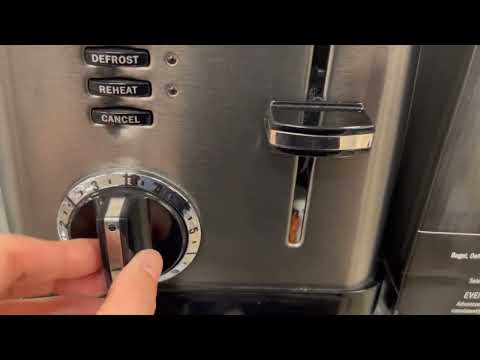
Six, set on a shade dial, with dedicated reheat, defrost and bagel buttons with LED indicators. That covers most bread types and thicknesses. The dial turns a little too easily and can get knocked to a darker setting, so give it a glance before each round.
Does the metal body feel more solid than plastic toasters?
Partly. It is a real upgrade over plastic toasters, sturdy enough for daily use, and it looks the part. It is not as heavy or solidly made as older metal toasters from the same brand, so expect a better-looking toaster rather than heavy-gauge construction.
Can I retrieve small items like English muffin halves easily?
Yes. The extra-lift carriage lever raises toast higher out of the slots than a standard lever, which helps with smaller or thinner items you would otherwise fish out with your fingers near a hot slot.
What does the warranty actually cover, and for how long?
Cuisinart gives it a limited 3-year warranty, a solid term for a countertop toaster. Check the user manual for troubleshooting steps and the claim process, since a limited warranty comes with conditions.
Is it worth buying if the toasting isn't perfectly even?
It depends on your standards. Toast comes out solid rather than exceptional, and a little unevenness is normal. If a metal body and a classic look matter more to you than perfectly consistent browning, it makes sense, with build quality as the main risk to weigh.