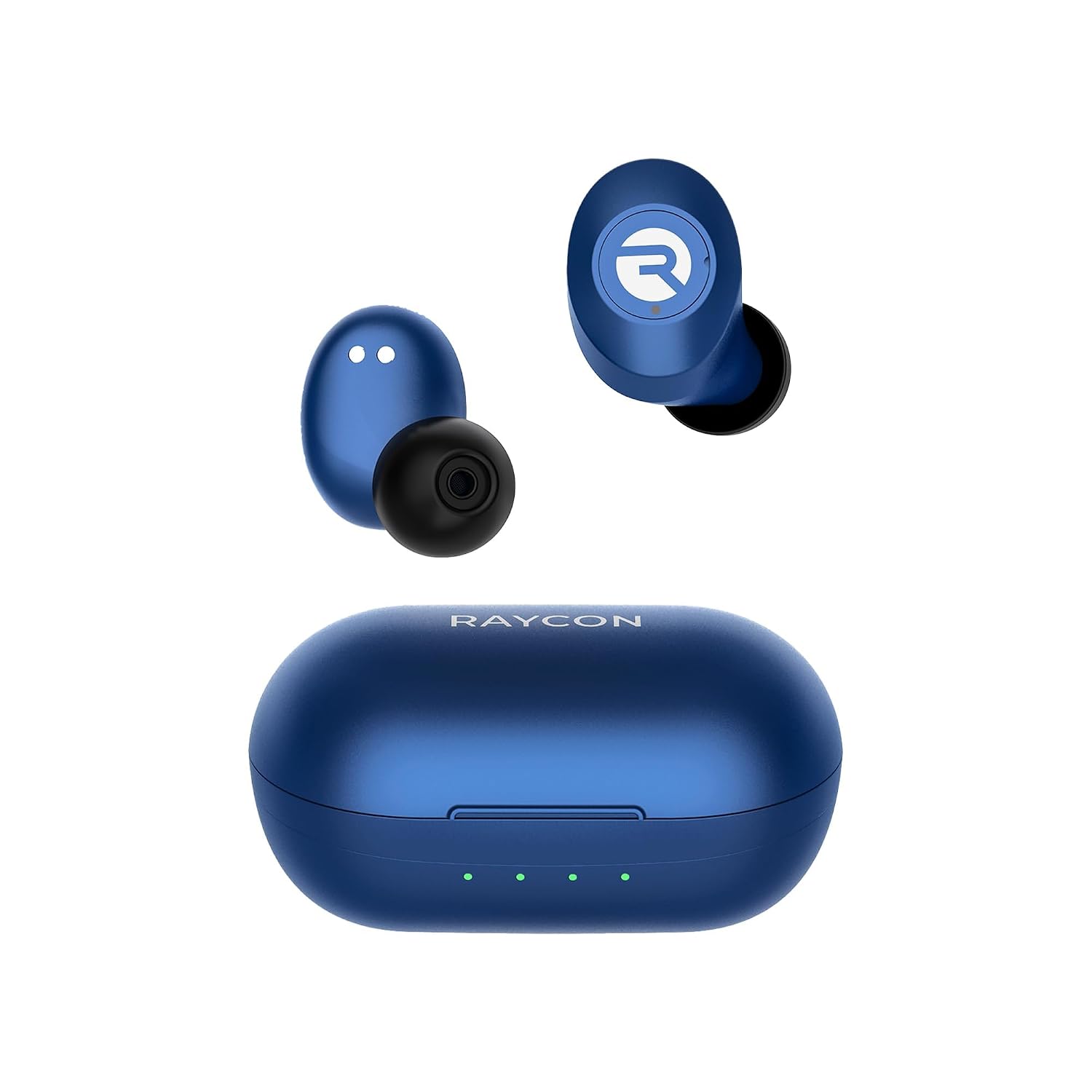
One earbud keeps cutting out. Is it faulty?
Try moving your phone before assuming so. Bluetooth signals pass poorly through the human body, which is mostly water, so the signal path to the earbud on the far side of your head has to get around or through you, and it does not do that well. This is why the classic dropout scenario is so consistent: phone in a back pocket or an armband on one side, and the opposite earbud stuttering while the near one plays perfectly. Carrying the phone in a front pocket, a chest pocket, or in your hand while running usually resolves it entirely.
Why do they drop out in the gym but not at home?
Congestion rather than hardware. Bluetooth shares its radio band with wifi, microwaves and a great many other devices, so a crowded gym, a busy train or an office full of access points is a much harder radio environment than a quiet room. Distance and line of sight matter too: a wall between you and your phone costs far more signal than the same distance in open air.
What is the one habit that makes earbuds last longer?
Never put damp earbuds into a closed charging case. The case is a sealed box, the moisture has nowhere to go, and the charging contacts sit in it. Let them air for a few minutes first. Wiping them with a dry cloth after a workout matters for the same reason and more so, because sweat is saltier and more aggressive than rain, and salt is what corrodes the contacts and the speaker mesh over time. It takes seconds and addresses a fair share of the reliability and charging complaints that earbuds of every brand attract.
Why is my battery life shorter than eight hours?
Two ordinary reasons, both true of every earbud. Quoted runtimes assume a moderate volume, and power draw rises steeply as you turn it up, as does the drain from leaving noise cancellation on, which is a continuously running circuit. And the cells in earbuds are physically tiny, so they age faster than large ones: a runtime noticeably below the original figure after a year or two is normal for the category rather than a defect. If one earbud runs down far faster than the other while both are fairly new, though, that is worth treating as a fault.
How good is the noise cancelling?
Set expectations sensibly. ANC works by sampling incoming sound and generating an inverted waveform to cancel it, and it is most effective against low, steady noise such as engine drone, air conditioning and road rumble. It is far less effective against sudden or irregular sound like conversation. A good seal from the right ear tip makes a big difference, and they can block noise well once fitted properly. Treat it as meaningful reduction of background hum rather than as silence.
What does the warranty actually cover?
Raycon's warranty covers manufacturer defects only, and it specifically excludes normal wear and tear, damage from misuse or accidents, loss of compatibility after other manufacturers' updates, shipping damage and unauthorized repair. That is narrower than a general guarantee and puts the burden on demonstrating a fault rather than simply reporting a failure. Given that some earbuds break after a month, the practical protection is the retailer's returns process rather than the warranty, so buy somewhere that makes returns easy, use them hard in the first weeks rather than saving them for a trip, and treat any early fault as a return rather than bad luck.