Is a bagless base better than one that uses bags?
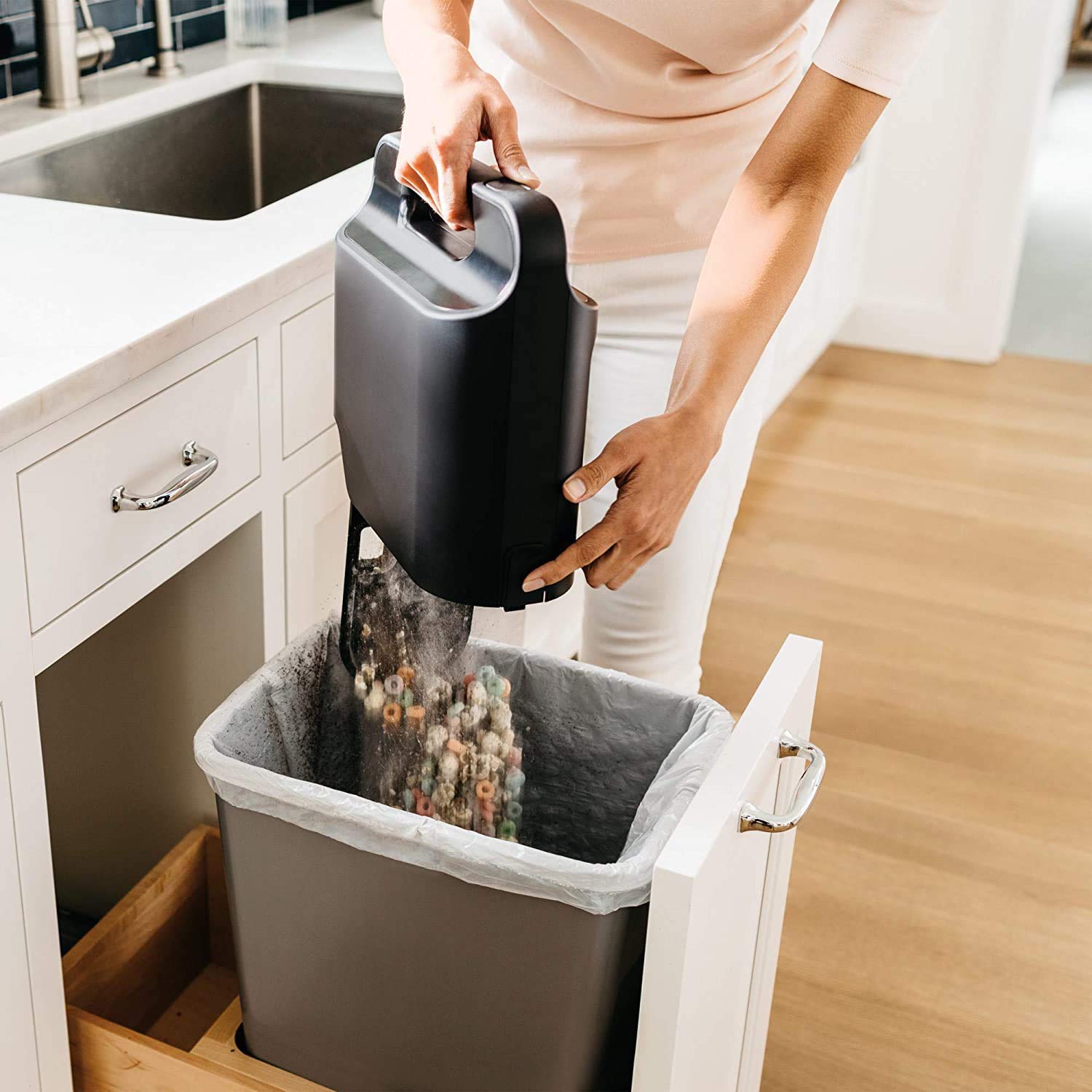
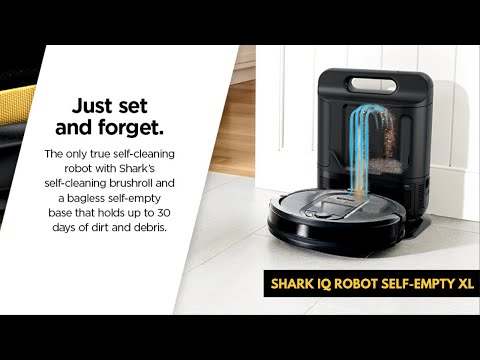
Cheaper to run, certainly. Many self-emptying docks use disposable bags, a running cost for as long as you own the machine and an easy one to overlook when comparing models. Shark's base needs no bags: it is emptied into your bin and reused, with nothing to buy. The trade-off is real: tipping a full bagless container releases dust into the air, whereas a sealed bag can be removed and binned without exposure. If asthma or a dust allergy is the reason you are buying a vacuum at all, that is worth weighing against the saving.
It keeps getting lost or missing rooms. Is it broken?
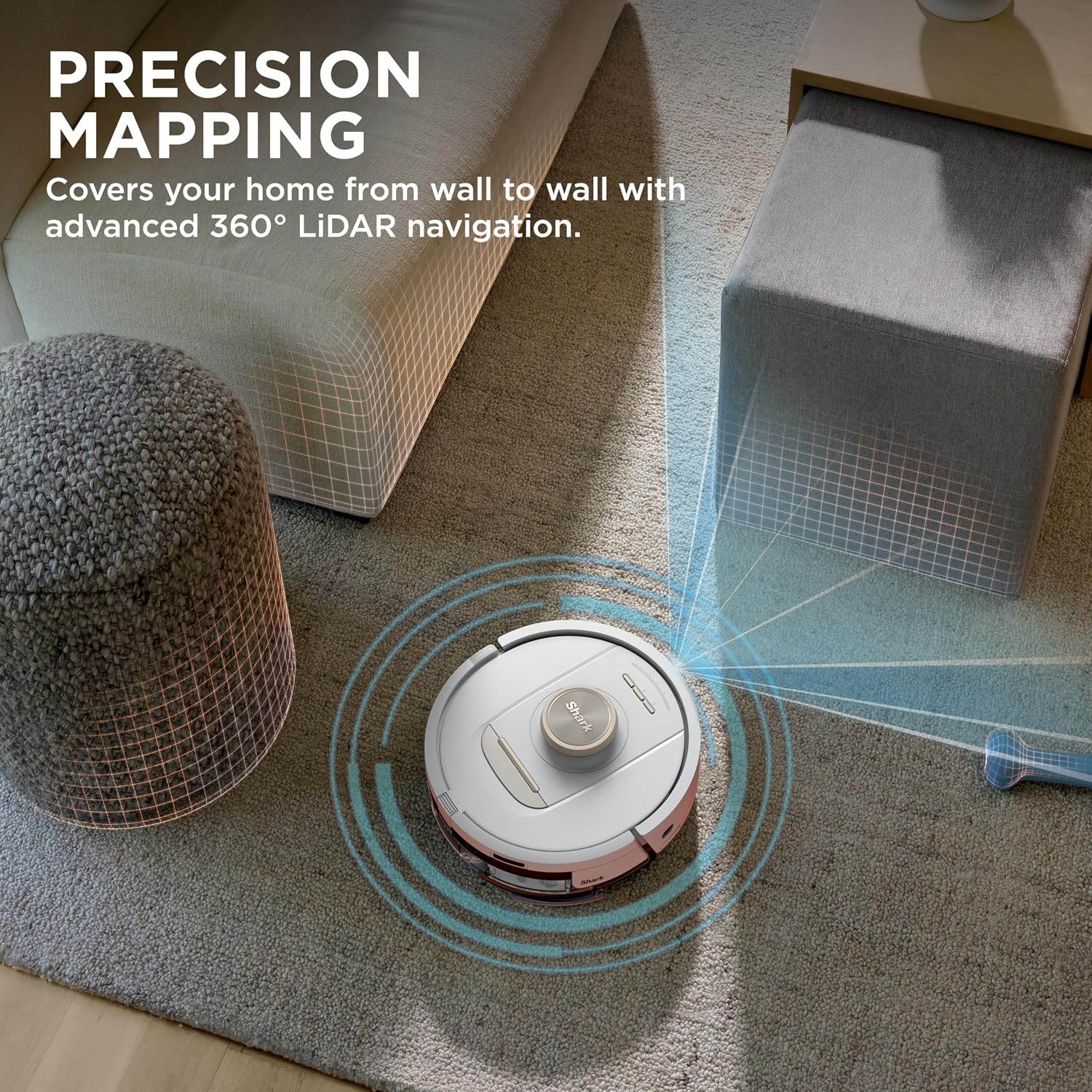
Usually not. Owners who struggled with mapping describe fixes rather than faults. One deleted the map and reran it three times with every light in the house on, reasoning that the robot builds its map from what it can see of the ceiling, and room select worked from then on. Another found it best to leave the robot alone unless it actually stops with an error, and, if it does get stuck, to carry it back to the dock rather than setting it down nearby, which confuses its map. Dark rooms, deep pile, trailing cables, thresholds and furniture that moves between runs all make the mapping job harder. Preparing the floor before a run, lifting cables, moving light chairs and closing doors to rooms you do not want it in, makes more difference than any setting.
What does it cost to keep running?
Two things beyond electricity. Shark fits a non-washable filter, so it is a consumable to be replaced rather than rinsed. Budget for replacements at whatever interval Shark specifies, and do not wash one and refit it, since a damp filter breeds smells and a damaged one lets fine dust through into the motor. Side brushes and the brushroll are also wearing parts on any robot vacuum, and their availability years from now is a fair question to ask about any model before buying.
What maintenance does it actually need?
Modest but not optional. One owner, a year in with no parts replaced, credits a monthly routine: empty the base and the robot's bin, and clean the filter. Check the brushroll and wheels for wound-in hair even with the anti-wrap design. And give the dock room: one owner notes Shark's instructions ask for about three feet of clear space either side and five feet in front, so the robot can line up with the base and empty properly. You may have to move furniture to find a spot.
How long does it run on a charge?
When the battery runs low, Shark says the robot returns to its dock, recharges and can pick up where it left off, so a large floor gets finished across more than one charge. Owner timings give a sense of a run: one puts a 600 square foot floor at about an hour and a half on the normal setting, and another finds scheduled runs go on for about two hours with no way to set a shorter limit. The 45 days Shark quotes is how long the base holds debris before it needs emptying, not a battery figure.
Will it handle long hair without me cutting it off the brush?
That is exactly what the self-cleaning brushroll is for, and it is the strongest feature on this machine. Long hair, human or animal, wraps around a conventional rotating brush and has to be cut free with scissors. Shark designs this brushroll to resist hair wrap and clean itself as it turns. It is still worth checking the brushroll and wheels periodically: one owner, a year in, had to snip hair from the middle of the roll twice, but the scissors routine largely goes away.