What does it actually filter out?
SonoHealth lists cigarette smoke, dust, odors, pet dander and pollen. The HEPA 14 layer handles the particles and is rated to reduce airborne particles by 99.97 percent down to 0.3 microns, while the activated carbon layer handles smells, with SonoHealth singling out cooking odors. In practice it makes a clear difference against dust, allergens and cooking smells.
I heard one review mention a bad smell. Should I be worried?
Probably not, but air the filter first if you're sensitive. A new filter can give off an odd, off-putting smell on first use, in one case enough to bring on a headache. After a few days outside the smell was gone and the unit worked well, though that left some doubt about the filter's quality. New HEPA and carbon filters commonly give off a mild odor at first that fades with ventilation.
Is it a proven model?
It's fairly new, first available in February 2025, so its track record is shorter than that of long-established purifiers. What there is looks consistently good: the filtration, the quiet running, the design and the features all hold up, and no weak area stands out. With a shorter history, a single complaint such as the first-use smell counts for more, so weigh it accordingly.
Does the essential oil diffuser actually work well, or is it a gimmick?
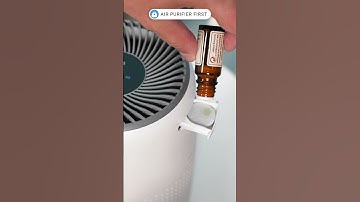
SonoHealth builds an essential oil diffuser into the unit, combining purification with aromatherapy. The design and controls work well, and the diffuser adds a calming feel to the room, a pleasant extra rather than a gimmick.
How quiet is it really, even on the highest setting?
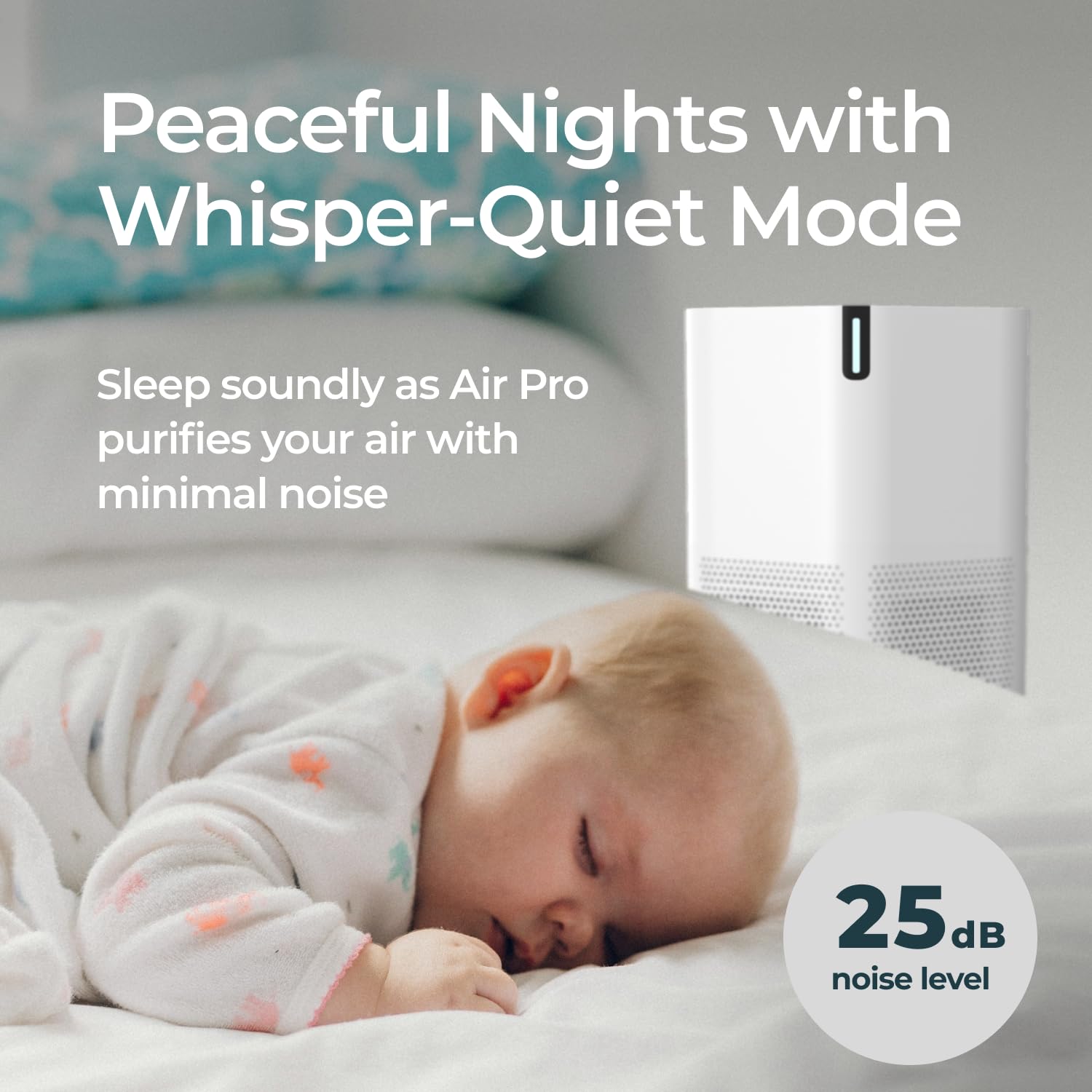
Quiet at low and medium, less so at full speed. SonoHealth says it runs quietly even on the highest setting, and noise level is one of its strengths: it is quiet enough for a bedroom. Low is nearly undetectable, medium is fine and high is fairly loud, so expect to run it on the lower settings overnight.
What size room is this actually good for?
SonoHealth rates it for rooms up to 1,200 square feet. That is the largest space it is meant for, so in a typical bedroom or living room the same airflow will cycle the air more often and clear it faster than in a room at the top of that range.